


Camping In The 19th Century Campfires Tents Sleeping Bags The History Of The Transformation Of Outdoor Equipment 9789570535846
Estimated Delivery:
Jul 19 - Jul 23Free Shipping & Returns:
On all orders over $75Camping In The 19th Century: Campfires, Tents, Sleeping Bags — A Visual History of Outdoor Equipment Transformation
Step back to the dawn of leisure camping and follow how essential outdoor gear evolved from makeshift necessities to the refined equipment we rely on today. This richly illustrated, architecturally informed exploration blends history, design, and culture to reveal how campfires, tents, sleeping bags, and more became integral to the camping experience. It’s not just a book about gear; it’s a critical look at how space, function, and lifestyle intersect in the great outdoors.
Featuring more than 200 rare images—maps, sketches, photographs, advertisements, and patent drawings—the title traces the transformation of camping from the late 19th century to the present. Written by the architect and scholar Martin Hogg, and translated by Cai Yizhen, the book casts a distinctive light on how each element contributes to the camping experience. The Traditional Chinese edition (320 pages, softcover) from Taiwan Commercial Press Corporation provides a unique cultural lens on a global pastime.
What you’ll discover
This book is organized around eight foundational elements that have continually shaped how we camp. Rather than a simple inventory of gear, it’s a narrative about how these components interact, influence behavior, and reflect changing priorities in outdoor life.
- Water and provisioning — from riverside sources to portable purification, and how access to clean water transformed campsite planning.
- Campfire culture — from primitive fire-building to modern portable stoves, and the social rituals that surround evening gatherings.
- Campsites as spaces — how the design and selection of sites evolved, balancing safety, comfort, and environmental impact.
- Maps to wayfinding — early, sketch-like maps to interactive, online planning tools that guide modern excursions.
- PICNIC tables and seating — from improvised seatings to purpose-built outdoor furniture that blends practicality with social life.
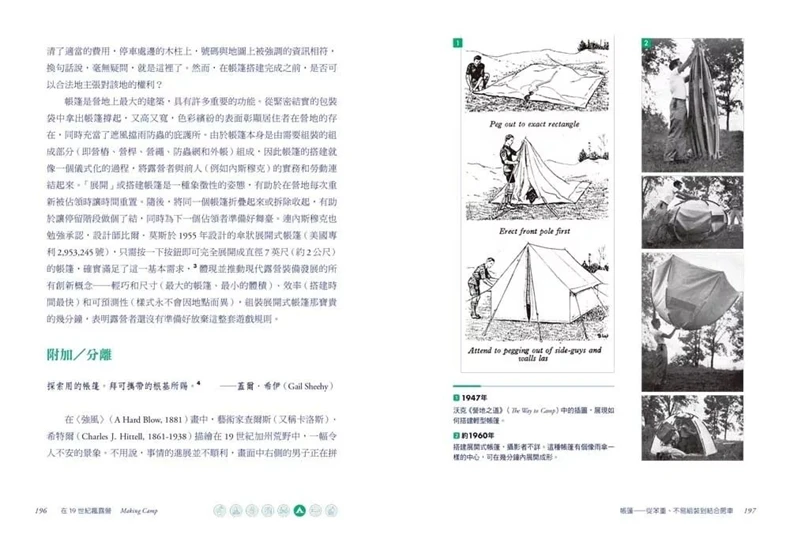
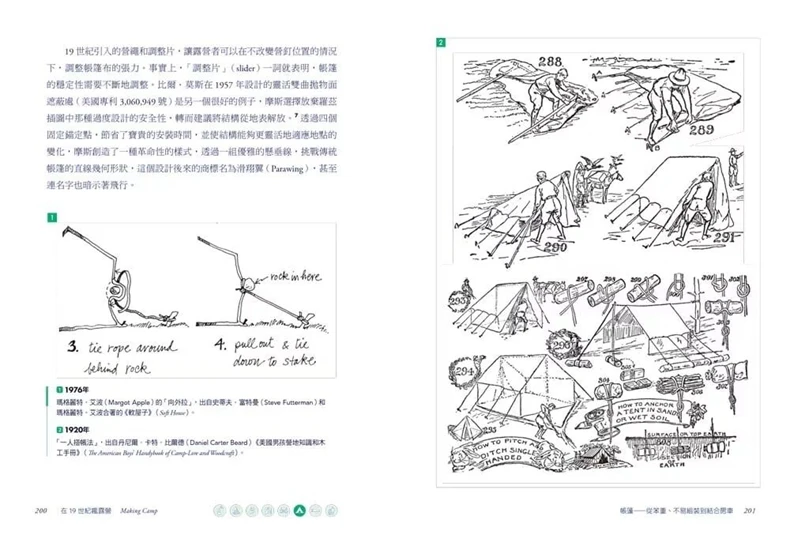
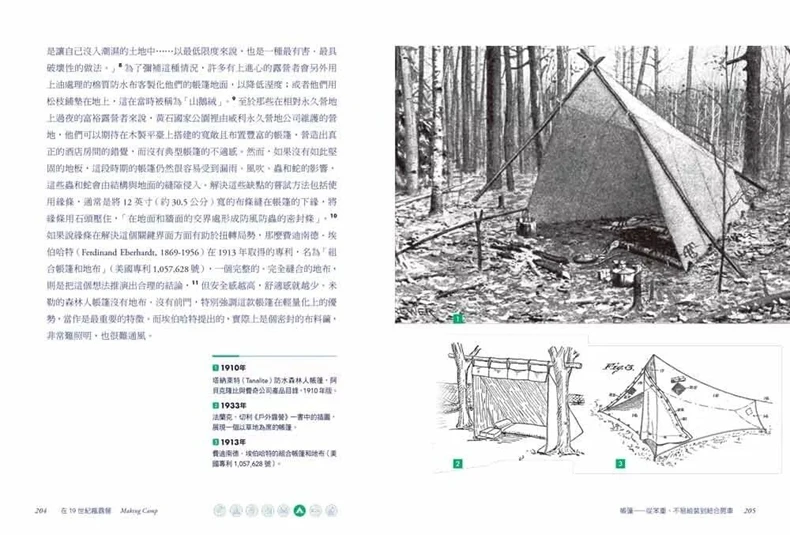
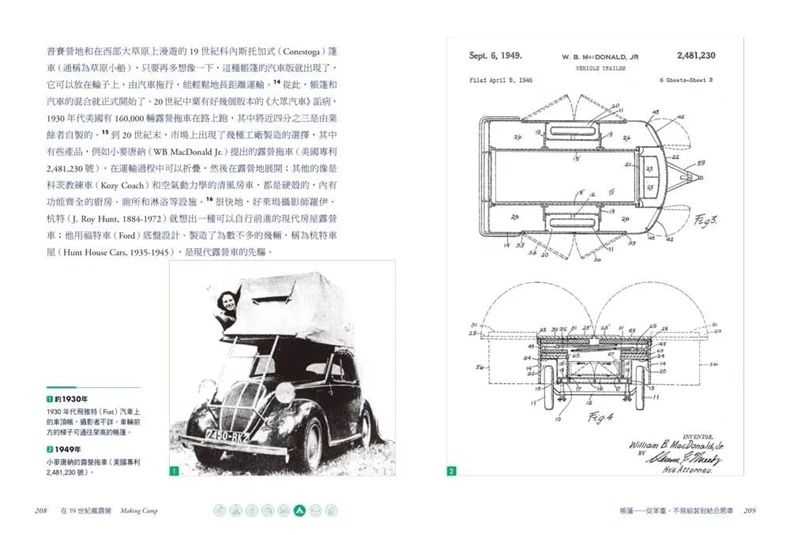
- Tents and shelter evolution — from bulky, utilitarian covers to lightweight, durable fabrics and innovative structures.
- Sleeping gear — the shift from rudimentary warm-wraps to compact, ergonomically designed sleeping systems.
- Trash and waste systems — how disposal and sustainability considerations emerged as a core campsite discipline.
Who should read this
- Architecture and design enthusiasts curious about how places are shaped by human activity.
- History lovers and cultural historians who want a tangible, image-rich view of outdoor life over time.
- Camping beginners and seasoned trekkers who crave a deeper context for the gear we take for granted.
- Librarians, educators, and book clubs seeking a thoughtful, visually engaging work that moves beyond mere specs.
Why this book stands out
Unlike conventional gear guides, this volume treats camping as a cultural practice with spatial and technological threads. Drawing on more than two centuries of imagery—maps, drawings, photographs, advertisements, and patent illustrations—the author analyzes how each component contributes to the lived experience of camping. The architectural perspective reframes “equipment” as a conversation between form, function, and place, encouraging readers to question habits, consider sustainability, and appreciate the delicate dance between comfort and wildness.
Inside the book
With over 200 photographs and visual narratives, the book traces the trajectory of camping from the late 19th century to today. It explores the way campsites are organized, how water sourcing evolved, and how even the act of trash disposal evolved into a sustainable practice. Essays, captions, and annotated images bring to life the design decisions behind tents, sleeping bags, and portable gear, creating a unique cross-section of history, landscape, and technology.
Practical insights and use cases
- For students and professionals in architecture, landscape design, or industrial design, it’s a case study in how everyday objects reflect broader cultural shifts.
- As a companion during field trips or camping research, it offers historical context that enriches present-day planning and gear evaluation.
- In classrooms or book clubs, it serves as a springboard for discussions about sustainability, consumer culture, and the evolving relationship between people and nature.
- Collectors will value the book’s dual-color printing and the depth of archival visuals that illuminate the evolution of outdoor life.
Product details
- Language: Traditional Chinese
- Binding: Softcover / Wraps
- Format: Paperback
- Pages: 320
- Dimensions: 17 x 23 x 1.92 cm
- Edition: Dual-color printing
- ISBN: 9789570535846
- Publisher: Taiwan Commercial Press Corporation
- Publication date: 2024-08-30
- Origin: Taiwan (China)
- Author: Martin Hogg (translated by Cai Yizhen)
Whether you’re revisiting the rituals of the 19th-century campsite or exploring how the landscape of outdoor recreation has transformed, this book offers a richly textured, visually engaging, and deeply informed perspective. It’s a rare blend of history, design thinking, and cultural analysis that invites readers to reimagine the simple act of camping as a nuanced social practice.